



Experience level
Start with Oyster, Lion’s Mane, Chestnut, or Shiitake when you want approachable requirements and well-documented methods.
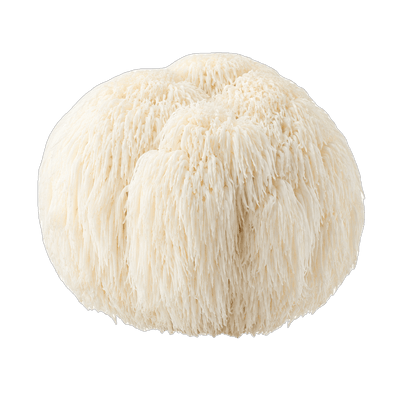
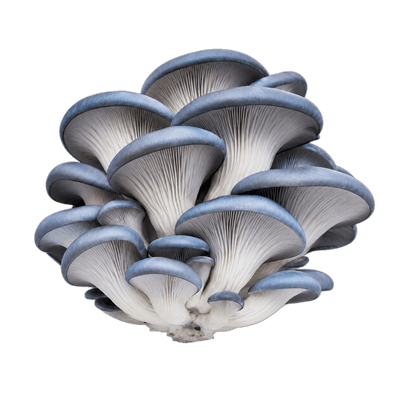
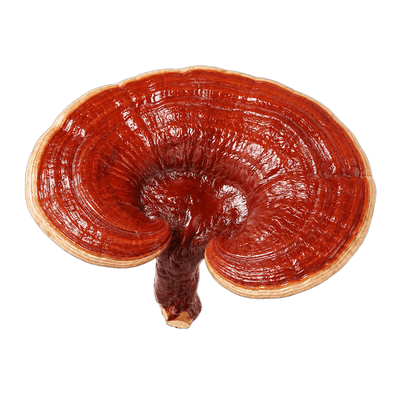
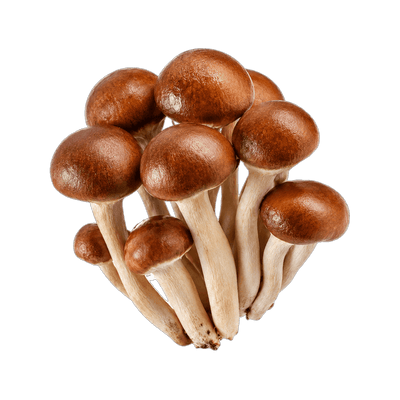
Shop lab-prepared 10cc gourmet and functional mushroom liquid culture syringes, including Lion’s Mane, Oyster, Reishi, Shiitake, Cordyceps, Morel, and more. New to liquid culture? Start with our step-by-step syringe guide, explore The Growing Guide, or compare curated liquid culture bundles.
Liquid culture contains actively growing mushroom mycelium that can be transferred into properly prepared grain or another species-appropriate substrate. The best choice is not simply the fastest culture. It is the culture that matches your available temperatures, substrate, fruiting space, and experience level.
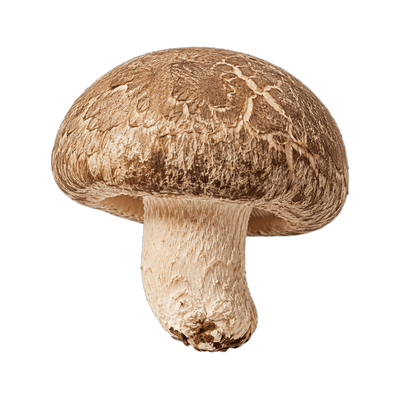
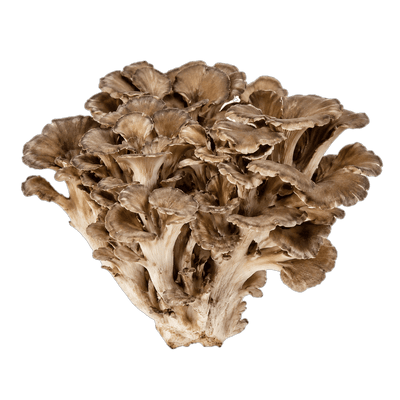
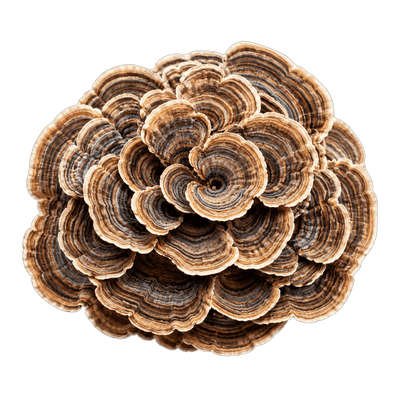
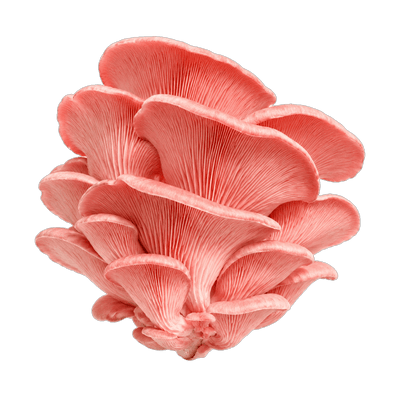
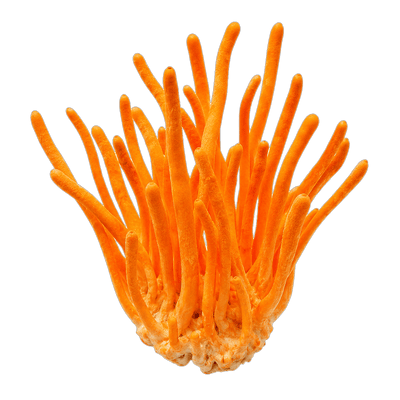
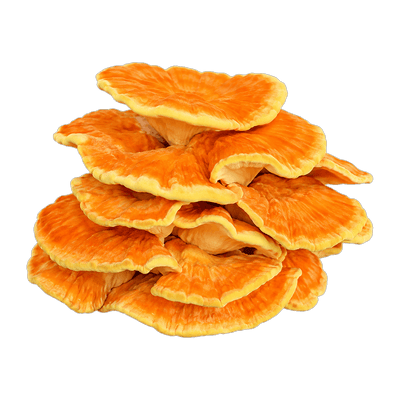
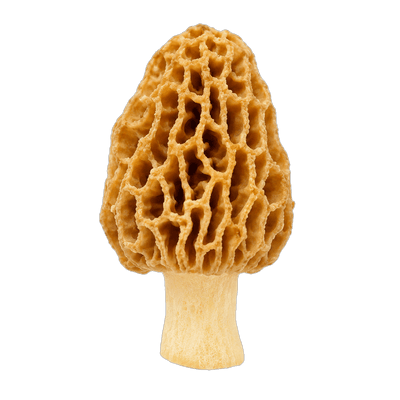
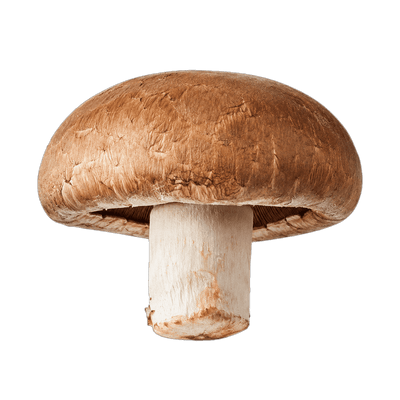
Oyster mushrooms are generally the most approachable starting point because they colonize aggressively and tolerate several proven growing methods. Lion’s Mane, Chestnut, and Shiitake are excellent next steps for growers using supplemented hardwood. Reishi, Turkey Tail, Maitake, Cordyceps, Morel, Portobello, and Chicken of the Woods each bring more specialized temperature, substrate, or fruiting requirements.
Every syringe in this collection contains 10cc of lab-prepared live culture drawn from a verified parent under HEPA-filtered laminar airflow. Refrigerate unused culture, work as cleanly as possible, and review the individual product specifications before inoculation. Colonization speed and visible growth pattern vary considerably between species.
Start with Oyster, Lion’s Mane, Chestnut, or Shiitake when you want approachable requirements and well-documented methods.
Match the culture to grain, hardwood sawdust, straw, compost, logs, or a specialized fruiting medium before ordering.
Compare colonization and fruiting ranges with the conditions you can maintain consistently.
Blue Oyster, Pearl Oyster, Pink Oyster, Lion’s Mane, Chestnut, and Shiitake are approachable starting points. Oyster species are usually the fastest, while hardwood species may require more patience and tighter fruiting conditions.
The correct amount depends on the species, substrate, container size, and inoculation method. More culture is not automatically better. Follow the product guide and the instructions supplied with your prepared grain or substrate.
No. Colonization and fruiting ranges vary by species. Pink and Yellow Oyster prefer warmer conditions, while Blue Oyster and several hardwood species perform better in cooler or moderate conditions.
Keep it refrigerated, protected from light, and do not freeze it. Before use, allow it to warm slightly and shake it thoroughly to redistribute the mycelium.