

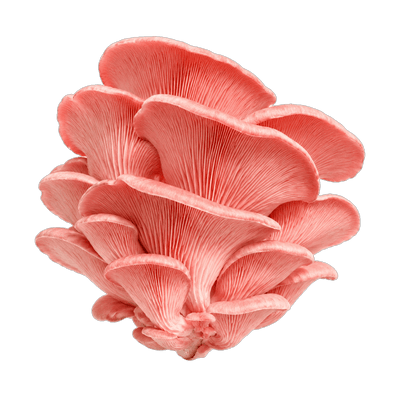

Fastest feedback
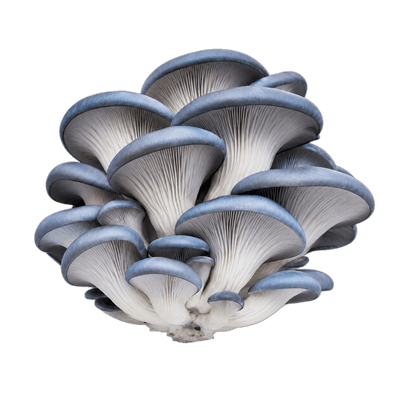
Blue, Pearl, or Pink Oyster provide quick colonization and make environmental mistakes easier to identify.
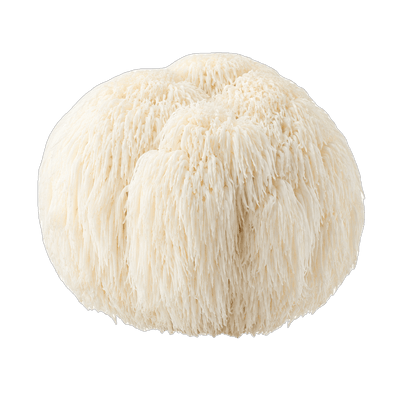
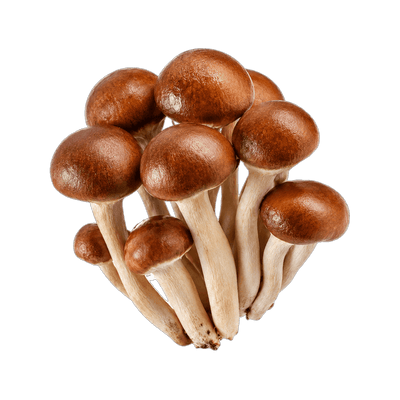
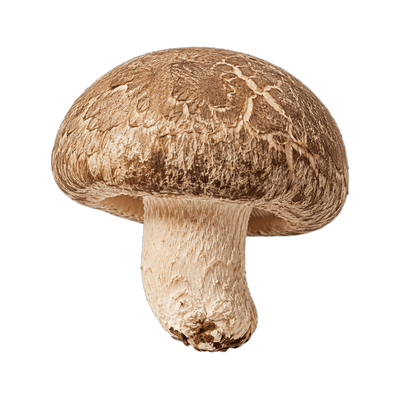
Start with beginner-friendly mushroom liquid cultures selected for reliable colonization and approachable growing requirements. Compare Blue, Pearl and Pink Oyster, Lion’s Mane, Chestnut and Shiitake in our beginner culture guide, or try several species together in the Beginner 5-Pack.
Beginner-friendly does not mean maintenance-free. It means the species has a well-documented process, recognizable growth, and cultivation requirements that are easier to reproduce than specialized Morel, Cordyceps, Portobello, or Chicken of the Woods methods.
Blue, Pearl, and Pink Oyster are the most aggressive colonizers in this group. They adapt well to common straw and hardwood methods, but they need substantial fresh-air exchange during fruiting. Lion’s Mane is a strong first hardwood-block species with distinctive white growth. Chestnut and Shiitake colonize more slowly and benefit from patience, full block consolidation, and careful fruiting triggers.
Start with one species and one proven substrate instead of changing several variables at once. Use clean grain spawn, label every container, record inoculation dates, and compare progress with the correct species guide. Each syringe contains 10cc of lab-prepared live culture from a verified parent and should be refrigerated until needed.
Blue, Pearl, or Pink Oyster provide quick colonization and make environmental mistakes easier to identify.
Lion’s Mane is a strong next choice when you can maintain high humidity and frequent fresh air.
Chestnut and Shiitake are good beginner-plus projects when you are comfortable waiting for consolidation and fruiting triggers.
Blue Oyster or Pearl Oyster are strong first choices because they colonize quickly and have widely documented straw and hardwood methods. Pink Oyster is also approachable in a consistently warm space.
Lion’s Mane is usually a small step up. It colonizes hardwood well but can form poorly when carbon dioxide is high, so fresh-air exchange and humidity need closer attention.
Their methods are well documented and their substrates are accessible. They are slower than Oyster mushrooms, so they suit beginners who understand that colonization and consolidation take time.
Not automatically. The correct inoculation amount depends on bag size, substrate, and supplier instructions. Excess liquid can create wet areas and does not guarantee faster colonization.