
Portobello Liquid Culture Syringe
- Ships from the USA
- Free shipping over $50
- Lab-prepared, single parent
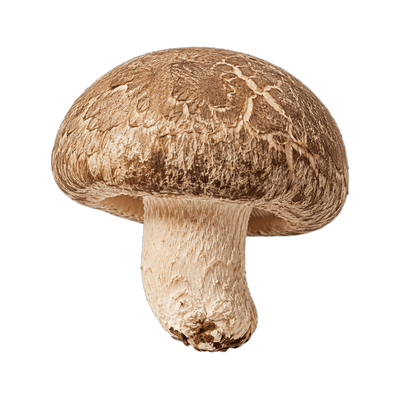
A clean, lab-prepared Portobello liquid culture (Agaricus bisporus), drawn into a sealed 10cc syringe and ready to inoculate a composted, cased substrate. Portobello is simply the mature form of the world's most familiar mushroom — the same species as the white button and cremini, grown on to broad, meaty, deep-brown caps.
In the kitchen it's the go-to for grilling and stuffing, delivering a dense, steak-like bite and rich savory flavor. It's a distinctly different grow from the wood-lovers — Agaricus wants compost and a casing layer — which makes it a rewarding project for cultivators looking to broaden their skills.
Every Gourmet Cultures syringe is drawn under HEPA-filtered laminar airflow from a single verified parent culture, so you begin with clean, living mycelium. Explore more culinary liquid cultures such as Shiitake and Chestnut, or browse every liquid culture syringe.
Planning your grow? Read the Portobello liquid culture grow guide.
Start clean
Portobello uses compost and a casing layer rather than the standard hardwood-block method. Read the species guide first, then review syringe technique, storage, and contamination prevention.